노가다NoGada
김미례 | 2005 | Documentary | Color | DV | 89minMi-re Kim | 2005 | Documentary | Color | DV | 89min
SYNOPSIS
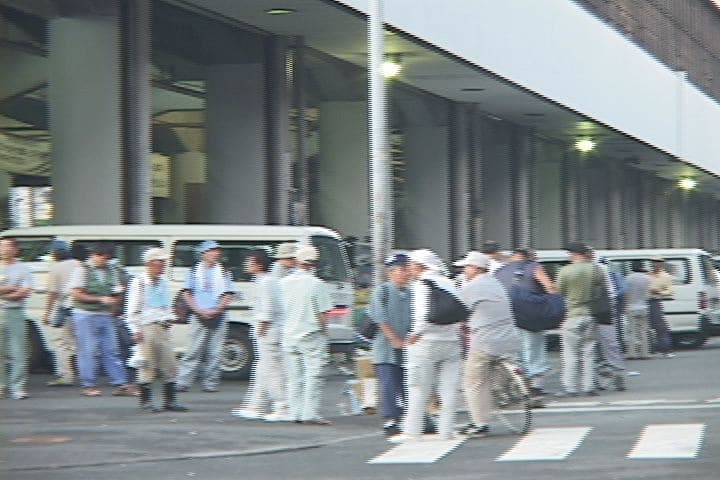
노가다는 건설현장에서 육체노동을 하는 사람을 부르는 속칭이다. 건설현장의 일용직 목수로 평생 일거리를
DIRECTING INTENTION
“노가다”는 한국이나 일본 사회 속에서 밑바닥 계층을 형성하고 있다. 일제시대 시작된 한국의 건설산업구조는 아직도 뿌리깊게 남아있다. 건설대자본의 정경유착과 비자금, 불법다단계 하도급, 불법용역회사들, 이러한 하청구조가 현장에서 일하는 노동자들을 일용직으로 사용하고 있다. 나는 같은 자본주의 속에서 공통의 어려움에 처해 있는 한국과 일본의 “노가다”에 대한 현재와 미래에 대한 희망 찾기를 해보고자 한다
FESTIVALS & AWARDS
2005 제10회 부산국제영화제
CJ CGV 디지털장편영화제작지원작
DIRECTOR

김미례
2003 <노동자다 아니다>
STAFF
- 연출
- 김미례
- 제작
- 김미례
- 각본
- 김미례
- 촬영
- 김미례, 이경순, 이안숙, 이옥선
- 편집
- 김미례
- 미술
- 정재훈, 허성호
- 음향
- 표용수
- 음악
- 인일규
PROGRAM NOTE
나라 전체가 아파트 값으로 들썩이고 있고 웰빙을 위해 그 아파트에서 살아야 하는 것처럼 광고로 치장되고 있지만, 정작 자신의 인생을 바쳐 아파트를 건설했던 ‘노가다’들은 언제 닥쳐올지 모르는 실업에 대한 불안과 상습적인 임금체불에 시달리고 있다. 감독은 30년 넘게 건설 일용직 노동자로 살아왔던 아버지의 모습을 바라보며 이 영화를 만들었다. 체불된 임금을 받기 위해 투쟁을 해야 하는 한국의 상황과 40년 넘는 역사를 가지고 있는 일본의 건설노동자들의 투쟁을 교차시키면서 일용노동자들의 삶을 보여준다. 또한 노동자들의 임금을 책임지지 않는 다단계 하도급의 구조적 문제점을 드러내며 지금 이 상태에선 노동자들의 삶이 개선될 수 없음을 지적하고 있다. 많이 일하고 돈 많이 받을 때를 제외하곤 행복을 느껴보지 못했다는 아버지의 말씀은 우리의 윗세대들이 얼마만큼의 고통 속에서 우리 사회를 건설해 왔는지 가슴 깊이 느끼게 한다. 젊은 사람보다 나이든 사람이 훨씬 많은 일본의 노동조합 역시 가슴을 시리게 한다.
조영각 / 서울독립영화제2005 집행위원장
SYNOPSIS
Nogada is slang for day laborers working in construction site. ‘Father’ has worked as a Nogada carpenter for all his life, but he is old now and there is no work for him. Multilevel subcontracting construction industry still exploits the workers through its feudalistic system. Under the name of economic growth, the day laborers are expendable and the profits are maximized. The Korean Nogada and Japanese Nogada are much in common. Trying to find a work everyday, they suffer from anxiety of being unemployed.
DIRECTING INTENTION
NoGaDa depicts the lives of daily construction workers in South Korea. Although they are in many ways the backbone of the South Korean economy they are often marginalized. NoGaDas work 10 to 12 hours a day, seven days a week, under dangerous working conditions for low wages without any benefits. As a result of the 1997 IMF economic crisis, many construction workers began to live in the streets, while others had their wages cut by 40% and work hours dramatically reduced. Under the backdrop of this, construction workers and their supporters began to organize and demand for jobs. By focusing on her father, who has been working as a carpenter since 1972, the filmmaker poignantly details the hardships, struggle, and victories of these workers. In their own words, the “NoGaDas” recount the many times of not being paid despite having worked in a particular construction site for close to six months, witnessing workers being injured or killed due to unsafe working conditions by negligent employers; being treated with no respect; and repressed once they start to organize for their rights. It is not a coincidence that NoGaDa is a derivative of a Japanese word, which literally means slave, as the origins of the South Korean construction industry dates back to Japanese colonialism. Thus, the South Korean construction industry is intrinsically linked with that of the Japanese in terms of the structure of the construction site, construction terms, and the system of employing workers. Because of this, the film maker fluidly moves from Japan to South Korea back to Japan and then back to South Korea to compare the differences and similarities of the construction industry. In doing this, the film maker proves that despite differences in language, culture, and national identity, workers are all one facing common challenges as they struggle for justice and dignity.
FESTIVALS & AWARDS
2005 제10회 부산국제영화제
CJ CGV 디지털장편영화제작지원작
DIRECTOR
Mi-re Kim
2003 <노동자다 아니다>
STAFF
- 연출
- 김미례
- 제작
- 김미례
- 각본
- 김미례
- 촬영
- 김미례, 이경순, 이안숙, 이옥선
- 편집
- 김미례
- 미술
- 정재훈, 허성호
- 음향
- 표용수
- 음악
- 인일규
PROGRAM NOTE
나라 전체가 아파트 값으로 들썩이고 있고 웰빙을 위해 그 아파트에서 살아야 하는 것처럼 광고로 치장되고 있지만, 정작 자신의 인생을 바쳐 아파트를 건설했던 ‘노가다’들은 언제 닥쳐올지 모르는 실업에 대한 불안과 상습적인 임금체불에 시달리고 있다. 감독은 30년 넘게 건설 일용직 노동자로 살아왔던 아버지의 모습을 바라보며 이 영화를 만들었다. 체불된 임금을 받기 위해 투쟁을 해야 하는 한국의 상황과 40년 넘는 역사를 가지고 있는 일본의 건설노동자들의 투쟁을 교차시키면서 일용노동자들의 삶을 보여준다. 또한 노동자들의 임금을 책임지지 않는 다단계 하도급의 구조적 문제점을 드러내며 지금 이 상태에선 노동자들의 삶이 개선될 수 없음을 지적하고 있다. 많이 일하고 돈 많이 받을 때를 제외하곤 행복을 느껴보지 못했다는 아버지의 말씀은 우리의 윗세대들이 얼마만큼의 고통 속에서 우리 사회를 건설해 왔는지 가슴 깊이 느끼게 한다. 젊은 사람보다 나이든 사람이 훨씬 많은 일본의 노동조합 역시 가슴을 시리게 한다.
조영각 / 서울독립영화제2005 집행위원장