만타 레이Manta Ray
푸티퐁 아룬펭 | 2018 | Fiction | Color | DCP | 105min (KN, E)Phuttiphong Aroonpheng | 2018 | Fiction | Color | DCP | 105min (KN, E)
SYNOPSIS
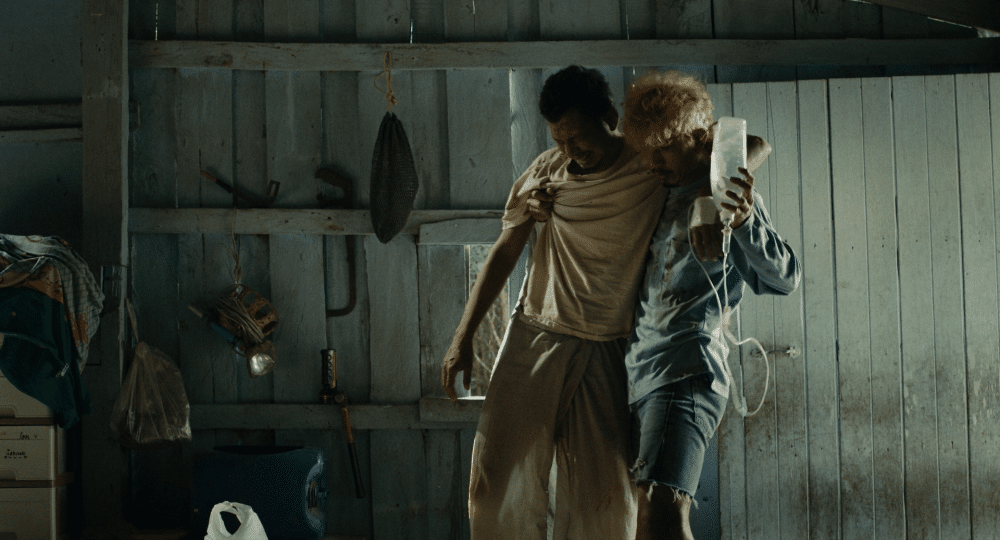
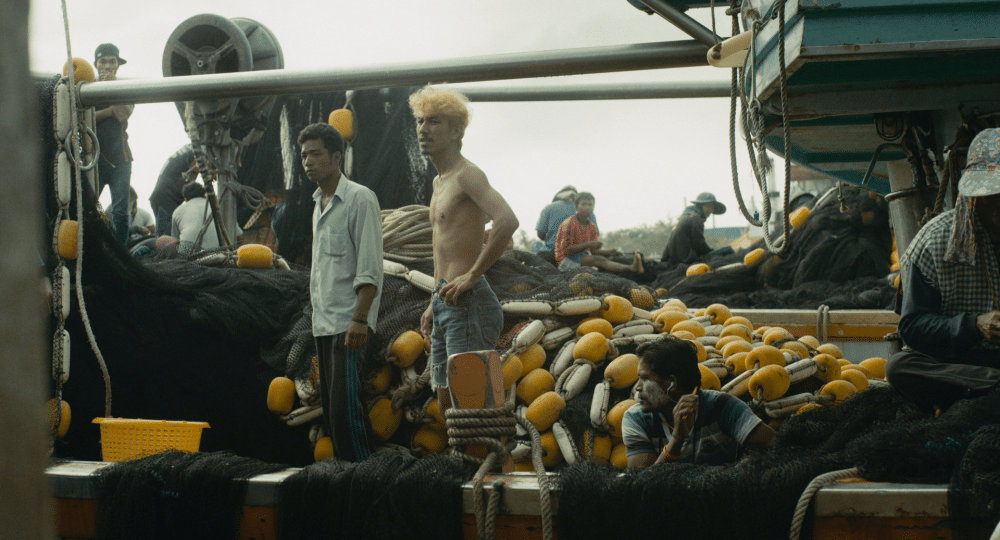
수천 명의 로힝야 난민이 익사한 것으로 전해지는 바닷가 근처의 어느 태국 마을. 한 어부가 부상 입은 남자를 구조한 후, 그에게 통차이라는 이름을 붙여준다. 어느 날, 어부가 바다에서 실종되자 통차이는 조금씩 그의 인생을 자신의 것으로 만들려 하는데….
DIRECTOR
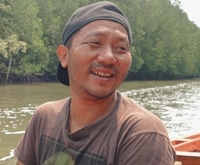
푸티퐁 아룬펭
2009 < A Suspended Moment >
2009 < My Image Observes Your Image If It is Possible to Observe It >
2010 < A Tale of Heaven >
2015 < Ferris Wheel >
STAFF
- 연출
- Phuttiphong Aroonpheng
- 제작
- Diversion (Thailand), Les Films de l'Etranger (France)
- 공동제작
- Youku Pictures (China), Purin Pictures (Thailand)
- 지원
- Asian Cinema Fund, Aide aux cinemas du monde (Centre national du cinema et de l'image animee, Institut francais), Ministry of Culture Thailand, Eurometropole de Strasbourg, Region Grand Est
- 프로듀서
- Mai Meksawan, Jakrawal Nilthamrong, Chatchai Chaiyon, Philippe Avril
- 각본
- Phuttiphong Aroonpheng
- 촬영
- Nawarophaat Rungphiboonsophit
- 색보정
- Yov Moor
- 편집
- Lee Chatametikool, Harin Paesongthai
- 음악
- Christine Ott, Mathieu Gabry (Snowdrops)
- 사운드
- Chalermrat Kaweewattana, Arnaud Rolland, Charles Bussienne
- 프로덕션
- 디자인 Sarawut Karwnamyen
- 현장
- 프로듀서 Mit Out Sound Films artistic collective (Thailand)
- 출연
- Wanlop Rungkumjad, Rasmee Wayrana, Aphisit Hama
PROGRAM NOTE
태국의 해안가 마을, 한 어부가 숲속에서 부상을 입은 채 쓰러진 남자를 데려와 다친 곳을 치료해준다. 어부는 말을 하지 못하는/않는 남자에게 ‘통차이’라는 이름을 주고 물 속에서 ‘음’
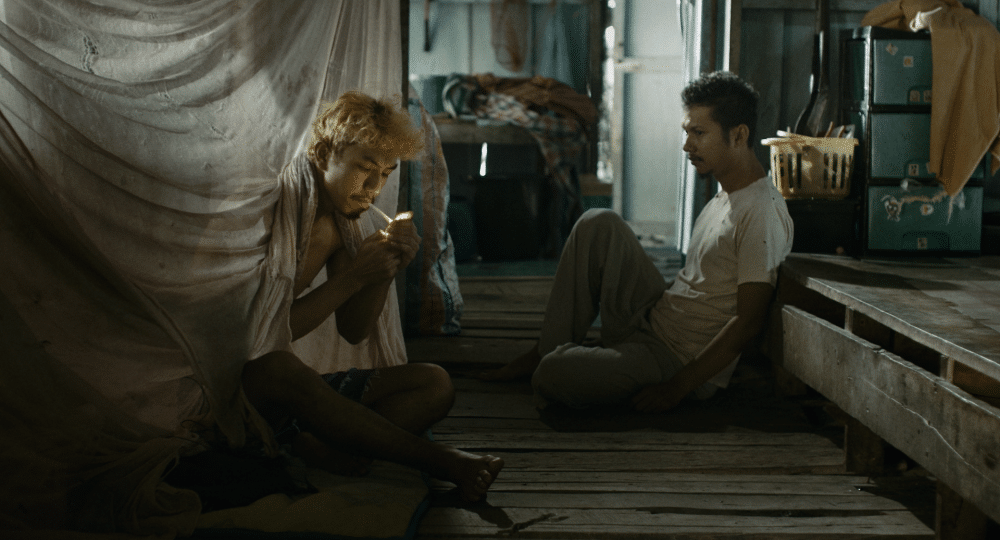
하고 호흡하는 법도 가르쳐주며 우정을 나눈다. 그러던 어느 날 어부가 사라지고 어부의 헤어진 아내가 집으로 돌아온다. ‘로힝야를 위해’로 시작되는 영화는 통차이를 통해 정주할 곳 없는 난민의 깊은 슬픔과 태국 접경 지역에서 일어나고 있는 일련의 죽음을 보여준다. 그러나 이 죽음 – 보트를 타고 떠돌던 난민 익사자들의 사체, 인신매매로 희생된 난민들 – 은 흔적으로만 존재한다. 어디에서 왔는지조차 말할 수 없는 죽은 자들은 숲 속 깊은 곳에서 잠이 든 채 밤이오면 찬란한 원석으로 깨어나길 기다리고 있다. 그들의 언어는 들려질 수 없고 따라서 그들의 슬픔은 ‘으음음’ 하고 길게 내쉬는 신음과 절규로만 표현될 뿐이다. 심연의 바다에서 원석의 색을 쫓아 나타난다는 만타 레이(쥐가오리)만이 그들을 알아챌지도 모른다. 죽은 자들의 괴기 어린 슬픔이 밤의 찬란한 빛으로 피어오르는 정글과 그 빛에 응답하는 바다는 그래서 서로를 필요로 하는 짝패이자 닮은꼴의 형상을 하고 있다. 어부와 통차이가 원석과 같은 조명 아래에서 서로를 응시하며 무아에 빠지는 순간은 이 영화의 가장 빛나는 순간이자 죽음의 빛을 상쇄하는 연대와 우정의 몸짓이 빛으로 승화하는 순간이다.
배주연 / 영화연구자
SYNOPSIS
Near a coastal village of Thailand, by the sea where thousands of Rohingya refugees have drowned, a local fisherman finds an injured man lying unconscious in the forest. He rescues the stranger, who does not speak a word, offers him his friendship and names him Thongchai. But when the fisherman suddenly disappears at sea, Thongchai slowly begins to take over his friend’s life.
DIRECTING INTENTION
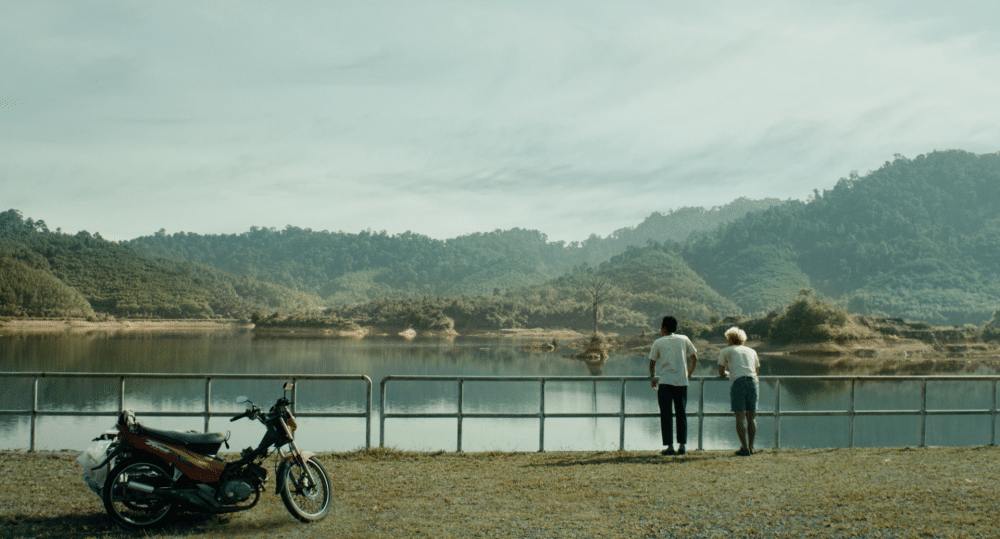
Moei River. A small body of water marking a frontier between Thailand and Myanmar. I arrived at this place in 2009, alone and excited, looking across to the Myanmar side. There was no immigration checkpoint, no patrol soldier, no barbed wires. Just a waist-deep creek separating me from crossing over. I looked ahead to the other side.
That same year, boats carrying Rohingya refugees were pushed away from the Thai shore by the authorities. Five wooden boats capsized. Three hundred Rohingyas disappeared into the ocean.
In 2015, on a hill in Padang Besar, a southern Thai border town 300 metres away from Malaysia's Perlis Tunnel, a mass gravesite of Rohingyas were discovered. The cause of those deaths remains a mystery. As corpses cannot talk, things were slowly forgotten. At a pivotal scene in my film, multiple voices were heard in the forest. They are the voices of sorrow and tears. I recorded those voices from Rohingya refugees in Thailand. Their voices will not disappeared and forgotten. They will continue to exist, in my film.
DIRECTOR
Phuttiphong Aroonpheng
2009 < A Suspended Moment >
2009 < My Image Observes Your Image If It is Possible to Observe It >
2010 < A Tale of Heaven >
2015 < Ferris Wheel >
STAFF
- Director
- Phuttiphong Aroonpheng
- Producers
- Mai Meksawan, Jakrawal Nilthamrong, Chatchai Chaiyon, Philippe Avril
- Production
- Design Sarawut Karwnamyen
- Line
- Production Mit Out Sound Films artistic collective (Thailand)
- Production
- Companies Diversion (Thailand), Les Films de l'Etranger (France)
- In
- Co-Production with Youku Pictures (China), Purin Pictures (Thailand)
- Supported
- by Asian Cinema Fund, Aide aux cinemas du monde (Centre national du cinema et de l'image animee, Institut francais), Ministry of Culture Thailand, Eurometropole de Strasbourg, Region Grand Est
- Writer
- Phuttiphong Aroonpheng
- Cinematographer
- Nawarophaat Rungphiboonsophit
- Colorist
- Yov Moor
- Editor
- Lee Chatametikool, Harin Paesongthai
- Music
- Christine Ott, Mathieu Gabry (Snowdrops)
- Sound
- Chalermrat Kaweewattana, Arnaud Rolland, Charles Bussienne
- Cast
- Wanlop Rungkumjad, Rasmee Wayrana, Aphisit Hama
PROGRAM NOTE
태국의 해안가 마을, 한 어부가 숲속에서 부상을 입은 채 쓰러진 남자를 데려와 다친 곳을 치료해준다. 어부는 말을 하지 못하는/않는 남자에게 ‘통차이’라는 이름을 주고 물 속에서 ‘음’
하고 호흡하는 법도 가르쳐주며 우정을 나눈다. 그러던 어느 날 어부가 사라지고 어부의 헤어진 아내가 집으로 돌아온다. ‘로힝야를 위해’로 시작되는 영화는 통차이를 통해 정주할 곳 없는 난민의 깊은 슬픔과 태국 접경 지역에서 일어나고 있는 일련의 죽음을 보여준다. 그러나 이 죽음 – 보트를 타고 떠돌던 난민 익사자들의 사체, 인신매매로 희생된 난민들 – 은 흔적으로만 존재한다. 어디에서 왔는지조차 말할 수 없는 죽은 자들은 숲 속 깊은 곳에서 잠이 든 채 밤이오면 찬란한 원석으로 깨어나길 기다리고 있다. 그들의 언어는 들려질 수 없고 따라서 그들의 슬픔은 ‘으음음’ 하고 길게 내쉬는 신음과 절규로만 표현될 뿐이다. 심연의 바다에서 원석의 색을 쫓아 나타난다는 만타 레이(쥐가오리)만이 그들을 알아챌지도 모른다. 죽은 자들의 괴기 어린 슬픔이 밤의 찬란한 빛으로 피어오르는 정글과 그 빛에 응답하는 바다는 그래서 서로를 필요로 하는 짝패이자 닮은꼴의 형상을 하고 있다. 어부와 통차이가 원석과 같은 조명 아래에서 서로를 응시하며 무아에 빠지는 순간은 이 영화의 가장 빛나는 순간이자 죽음의 빛을 상쇄하는 연대와 우정의 몸짓이 빛으로 승화하는 순간이다.
배주연 / 영화연구자