오월 상생 :: 오월의 노래 1Song of May 1
전승일 | 2007 | Animation | Color | DV | 4min 48secSeung-il Jeon | 2007 | Animation | Color | DV | 4min 48sec
SYNOPSIS
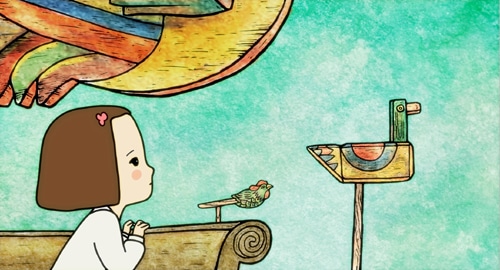
5·18 민중항쟁 당시 헌혈하고 나오다가 헬기 기총소사에 맞아 사망한
어느 소녀의 영혼에 대한 이야기.
5·18의 상흔으로 얼룩진 ‘상처의 탑’에 오르던 소녀는
이승과 저승을 이어주는 나무인형들과 만나고 하늘로 상여를 띄워 보낸다.
DIRECTING INTENTION
5·18 희생자들을 떠나보내고 여기 살아남아 있는 우리들이 오월정신을 제대로 이어가지 못한다면
어쩌면 죽은 자들조차 이승을 떠나지 못하고,
보이지 않는 곳에서 슬픔의 방황을 하고 있을 수도 있겠다는 생각이 들었다.
FESTIVALS & AWARDS
‘오월의 노래 1’은 80년 광주의 피비린내가 채 가시기 전인 1981년 당시 서울대 노래패 ‘메아리’에서 활동하던 문승현의 음악적 · 문학적 감수성이 빛을 발하며 빚어낸 5월 광주에 대한 진혼곡으로,
1989년에 발표된 ‘노래를 찾는 사람들’ 2집에 정식으로 수록되었다.
‘오월의 노래 1’과 함께 그가 작곡한 ‘사계’, ‘그날이 오면’, ‘이 산하에’ 등이 수록된 ‘노래를 찾는 사람들’ 2집은 80년대 민중운동의 시대적 흐름과 정서를 담은 고전으로 한국 대중음악사에서도 손꼽는 명반으로 평가받고 있다.
DIRECTOR
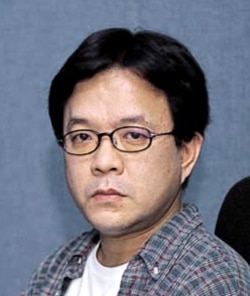
전승일
1992 <기억>
1994 <내일인간>
1995 <연필이야기 1, 2>
1995 <그리운 얼굴들>
1996 <순환>
1997 <사랑해요>
1999 <자갈치의 아침> (부산시, 오돌또기 공동제작)
2000 <미메시스TV-에피소드1>
2001 <내가 만난 90년대>
2003 <하늘나무>
2004 < Cold Blood >
2006 <똥이 어디로 갔을까>
2006 <경찰 오토바이가 오지 않던 날>
2006 <팬옵티콘 코리아>
STAFF
- 음악
- 정마리
- 작사
- 문승현
- 작곡
- 문승현
SYNOPSIS
This is a story of a soul of a girlwho died by machine guns from army helicopters after she donated her blood during the People’s Uprising on May 18th. While climbing ‘the Tower of Hurt’ with scars of May 18th, the girl meets wood dolls who connect this life and eternity.
DIRECTING INTENTION
It came across my mind that if we, departing the victims of the People’s Uprising on May 18th and living here by ourselves, cannot continue the spirit of May, the deceased could not leave this world only to wander with sorrows in invisible places
FESTIVALS & AWARDS
‘오월의 노래 1’은 80년 광주의 피비린내가 채 가시기 전인 1981년 당시 서울대 노래패 ‘메아리’에서 활동하던 문승현의 음악적 · 문학적 감수성이 빛을 발하며 빚어낸 5월 광주에 대한 진혼곡으로,
1989년에 발표된 ‘노래를 찾는 사람들’ 2집에 정식으로 수록되었다.
‘오월의 노래 1’과 함께 그가 작곡한 ‘사계’, ‘그날이 오면’, ‘이 산하에’ 등이 수록된 ‘노래를 찾는 사람들’ 2집은 80년대 민중운동의 시대적 흐름과 정서를 담은 고전으로 한국 대중음악사에서도 손꼽는 명반으로 평가받고 있다.
DIRECTOR
Seung-il Jeon
Sound Tracks ‘Memory of May 1’ is a requiem for May of Gwangju by Moon Seung-hyun from a musical communitycalled Meari of Seoul National University in 1981, the time before the memory of bloody Gwangju had not been erased. He created the tune with his musical and literary sensibility and it was officially released in the second album of ‘People to Search for Songs(No-rae-lul-chat-neun-sa-ram-deul)’in 1989. Moon Seung-hyun actively joined and worked in progressive music clubs called ‘Sae-byuk (meaning dawn)’ and ‘People to Search for Songs,’ and composed many beautiful people’s songs in the 1980s including ‘Four Seasons,’ ‘When the Day Comes,’ ‘In the Mountains and Rivers.’ Especially the second album of ‘People to Search for Songs’ is acclaimed as the best classic album with the current and sentiment of the time of people’s movements in the 1980s in the Korean pop music history.
STAFF
- 음악
- 정마리
- 작사
- 문승현
- 작곡
- 문승현